
CK Updates
CAF announces AFCON change and new Nations League

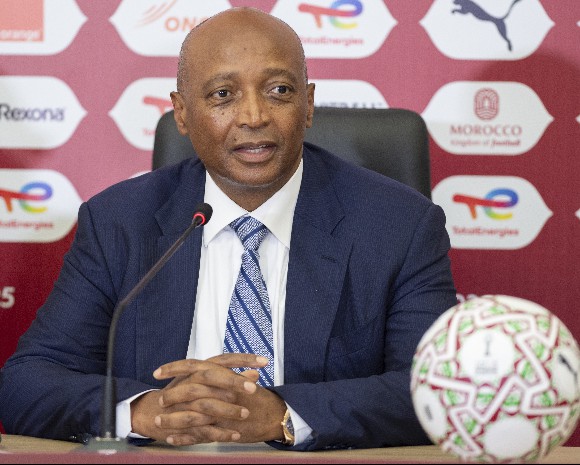
Confederation of African Football (CAF) President Patrice Motsepe attends a press conference at Prince Moulay Abdellah Stadium in Rabat, Morocco, 20 December 2025, ahead of the start of the Africa Cup of Nations (CAN) football tournament. EPA/JALAL MORCHIDI
Saturday Dec 20, 2025. 19:01

A revolutionary change to the African football calendar was announced on Saturday, moving the Africa Cup of Nations (AFCON) to every four years and introducing a new African Nations League.
This was announced by CAF President Patrice Motsepe at a press conference ahead of the commencement of the tournament in Morocco on Sunday.
It brings the continent in line with the international calendar as the Confederation of African Football said it was making the move in the interest of player welfare and that it would ensure more revenue for the game on the continent.
“This is the best decision for African football,” said Motsepe.
The next AFCON will continue as planned in 2027, which is set to be co-hosted by Kenya, Tanzania and Uganda, followed by another tournament the following year, Motsepe said, inviting prospective host countries to bid.
After the 2028 edition, the 24-team tournament will be held every four years, ending over a half century of a biennial competition.
Instead, an African Nations League will be introduced annually from 2029, which Motsepe said would be played in the September, October and November windows for national team matches.
While other confederations in Asia, Europe and South America host their continental championship every four years, Africa held onto hosting its championship every two years, arguing that the revenue generated from the tournament was around 80% of its budget.
“I had a problem in the past about changing the Cup of Nations to every four years but once I was taken through the numbers I could see we will make more money [with the new calendar],” the CAF president stated.
FIFA president Gianni Infantino has previously pressured CAF’s leadership to change its cycle, and the timing of AFCON has long courted controversy because it has usually been hosted in the middle of the European season, forcing clubs to release their African players.
This tug of loyalty was supposed to be solved by moving the Cup of Nations to mid-year from 2019 but later tournaments in Cameroon in 2022 and Ivory Coast in 2024 were again hosted at the start of the year.
“It is in the interests of the teams, clubs and players,” Motsepe added.
“I can’t have players leaving their clubs in Europe in the mid-season. It’s wrong.
“We’ve got a duty to the players. We know how frustrating it is for the players when their club says they are needed but they are also needed for the country.
“It’s unfair to the players. We are solving this problem for us in Africa and for our African players,” he said.
By Nic Gleeson








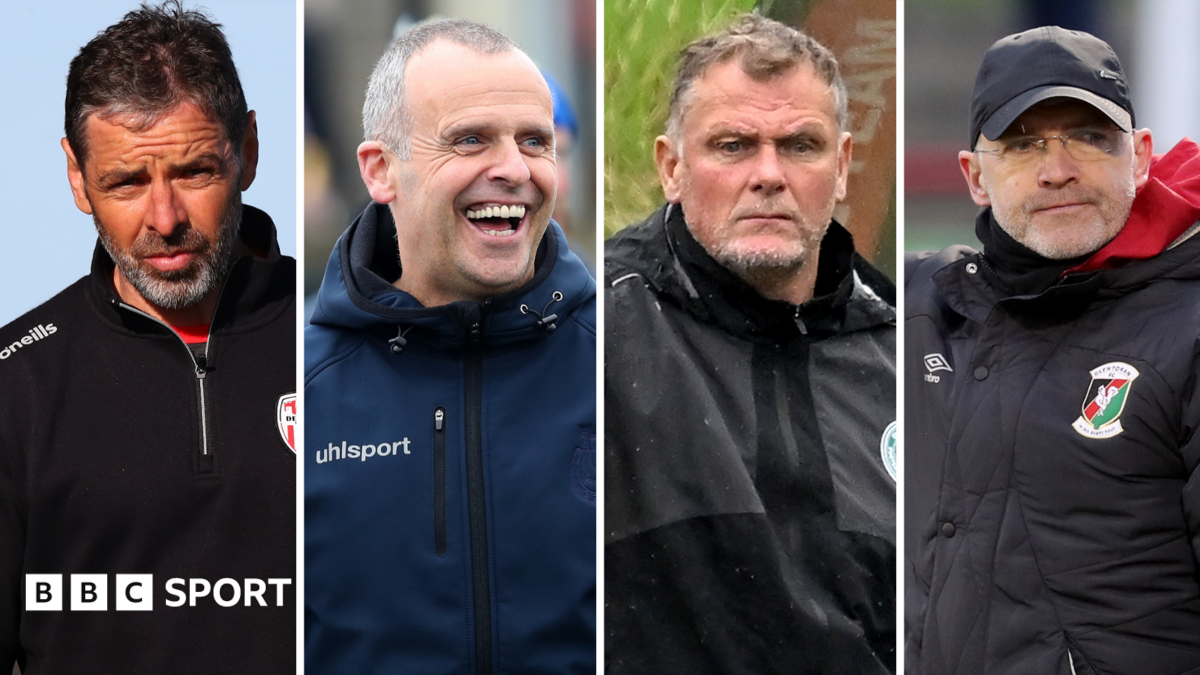
Gary Hamilton has been linked with most Irish Premiership vacancies since he left his role at Glenavon in 2023.
Hamilton made 132 appearances and scored 70 goals for the east Belfast side and is already well respected at the club.
The 45-year-old has always had an eye for bringing in and developing younger talent, a skill which would benefit the Glens.
During his almost 12-year spell at the Lurgan Blues, he won the Irish Cup twice in 2014 and 2016, registered four third-place finishes and European football.
Hamilton currently manages Conference League side Ballymacash Rangers, who have won the Steel and Sons for the first time during his tenure.
A manager such as Hamilton, who has secured plenty of silverware during his career, will certainly tick a lot of the boxes that Glentoran would be hoping for in a new manager.
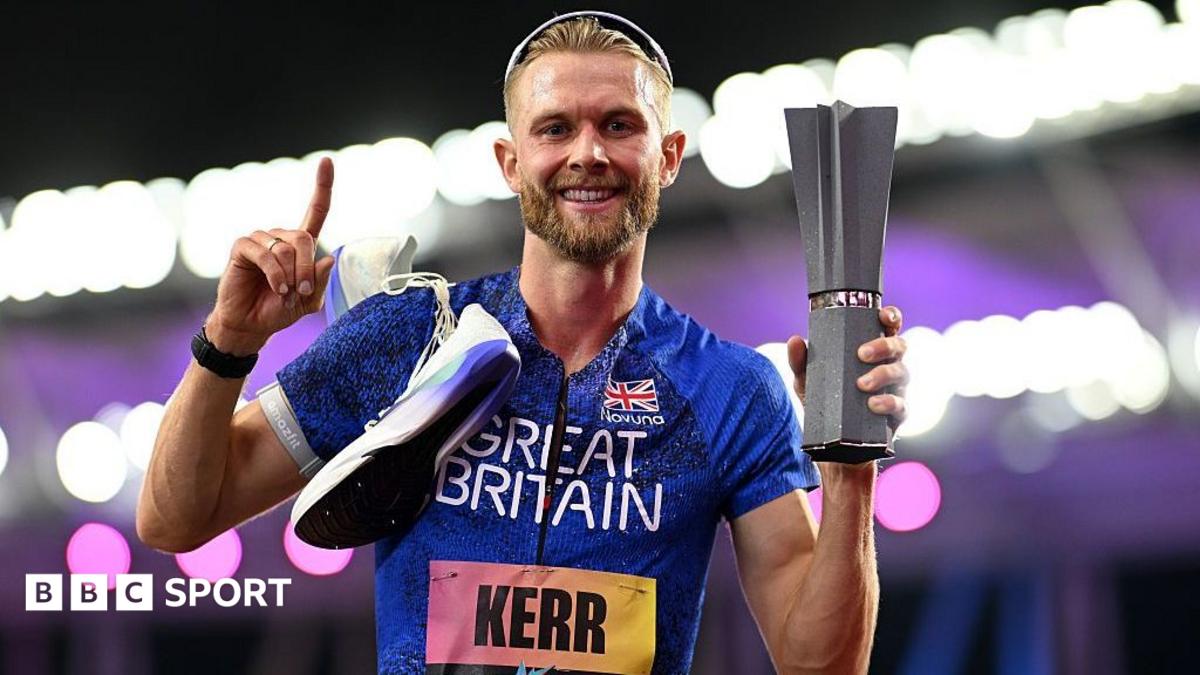
Whereas players in sports like football earn a salary based on a contract with the team that employs them, and athletes in individual sports like tennis and golf can earn a great deal from prize money at major tournaments, athletics competitors rely much more heavily on personal sponsorships and endorsements.
That is because they are paid no direct annual salary, and the only standardised prize money on offer is $50,000 (£37,000) for winning gold in one of the 48 track and field events at the Olympics.
That prize money was only introduced at the 2024 Games in Paris, and is paltry compared to the potential millions in winnings on offer in other major sports.
Some nations – including the USA – also choose to pay athletes who win medals from their own resources, but Britain does not.
Instead, athletes are awarded funding and grants by UK Sport, with the majority of the money coming from the National Lottery.
UK Sport ranks athletes by how likely they are to win medals at major events, and gives more funding to those whose chances it believes are better.
Athletes typically use that funding to pay for training camps, equipment, travel and, in some cases, personal support staff like physiotherapists, nutritionists and chefs.
So why would athletes be instructed to wear national team kit at the Ultimates?
The Ultimate Championship is billed as three fast-paced evenings with a record $10m (£7.4m) prize pot on offer for the biggest stars in athletics.
The condensed schedule and focus on star names is designed to appeal to viewers on television and social media – the latter likely playing a role in the focus on short, sharp bursts of action which can capture attention online.
Most viewers of athletics are used to watching athletes compete while wearing national kit at the Olympics and World Championships. Put simply, the use of a national kit makes it easier for the casual viewer to quickly spot who they should be rooting for and feel invested in the action.
But Kerr’s comments have highlighted the fact that something which may well improve the viewing experience can be felt as a direct financial negative by the athletes themselves.
With the next edition of the Ultimate Championship set to take place in September 2028, shortly after the Olympics in Los Angeles, the battle between brands and country could continue to heat up.

Former West Ham, QPR and Czech Republic goalkeeper Ludek Miklosko has died at the age of 64.
Miklosko made almost 400 appearances for the Hammers from 1990 to 1998 and was much loved by supporters, who regularly sang his name long after he left the club.
He later returned as a goalkeeping coach.
Miklosko withdrew from cancer treatment in December 2024, three years after his diagnosis.
Days later he returned to West Ham’s London Stadium for a Premier League match against Liverpool to a hero’s reception.
A West Ham statement read: “It is with deep and profound sadness that West Ham United announces the passing of legendary former goalkeeper and coach, Luděk Miklosko.
“Rest in peace Ludek, our beloved, inspirational goalkeeper and gentle giant of a man.”
More to follow.

Irish Premiership: Who will replace Declan Devine as Glentoran manager?

Josh Kerr: Ultimate Championship 1500m winner ramps up debate over country vs brands kit

Ludek Miklosko: Ex-West Ham goalkeeper dies aged 64

US Open 2026 results: Alexander Zverev beats Ben Shelton for second Grand Slam title

Erling Haaland goal: Was Haaland’s derby winner a VAR error?

World Athletics’ stance on Russian athletes ‘won’t change’ – Sebastian Coe

Tom Aspinall: UFC to consider removing heavyweight title after almost year out injured

US Open 2026 results: Elena Rybakina beats Aryna Sabalenka to win New York title

US Open 2026 results: Alfie Hewett wins fifth men’s wheelchair singles title in New York

England vs Pakistan player ratings: Has Jordan Cox given selectors food for thought?
Josh Kerr: Ultimate Championship 1500m winner ramps up debate over country vs brands kit